
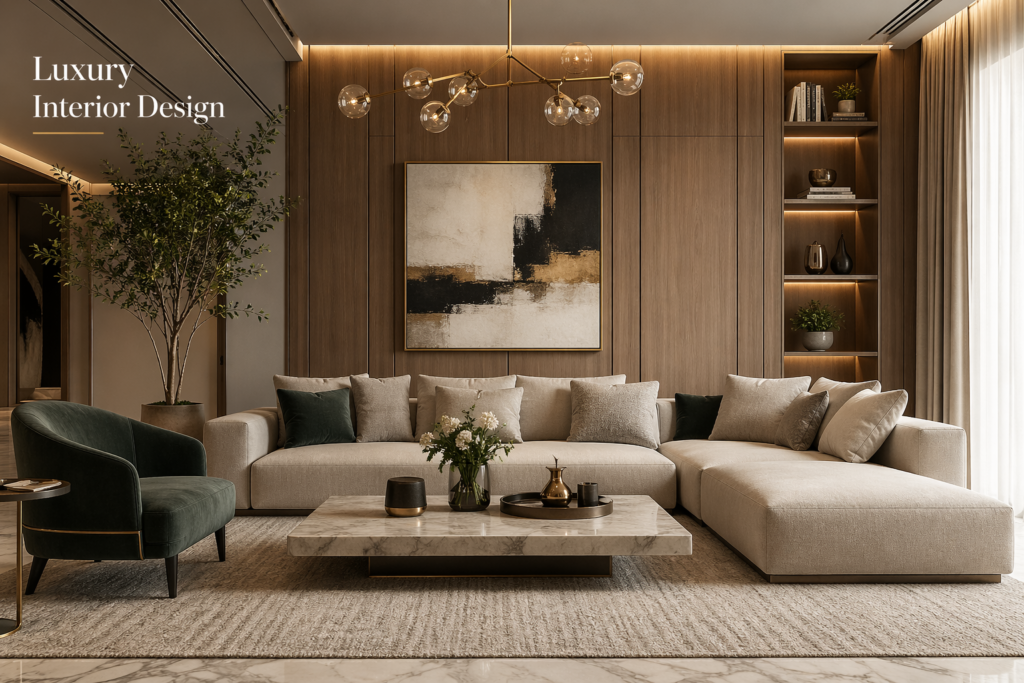
What is Luxury Interior Design?
Definition and Core Elements
Luxury interior design is not just about filling a space with expensive furniture or high-end decor it’s about creating an environment that feels refined, comfortable, and deeply personal. When you walk into a luxuriously designed space, you immediately notice the harmony between textures, colors, lighting, and layout. Everything feels intentional, polished, and elevated. The essence of luxury interior design lies in the details, from handcrafted furniture to curated artwork that tells a story.
At its core, luxury design combines quality materials, thoughtful planning, and a strong sense of aesthetics. Marble countertops, velvet upholstery, custom cabinetry, and designer lighting are just a few examples of elements that often define luxury interiors. However, what truly sets luxury design apart is how these elements come together to create a cohesive and immersive experience.
Why Luxury Design is More Than Just Expensive Decor
Many people assume luxury means spending more money, but that’s only part of the story. A poorly designed space filled with expensive items can still feel cluttered and uninspiring. True luxury interior design focuses on balance, proportion, and emotional impact. It’s about how a space makes you feel calm, inspired, or even empowered.
Think of it like a well-tailored suit. It doesn’t just look good because it’s expensive; it looks good because it fits perfectly and complements your personality. Similarly, luxury interiors are tailored to reflect the homeowner’s lifestyle and taste, making each space unique and meaningful.
Key Principles of Luxury Interior Design
Balance and Symmetry
Balance is the backbone of any luxurious space. Whether it’s symmetrical arrangements of furniture or evenly distributed colors and textures, balance creates a sense of order and sophistication. For example, placing identical lamps on either side of a bed or sofa instantly adds a touch of elegance.
Symmetry, in particular, plays a crucial role in luxury interior design. It brings a sense of calm and predictability that feels visually pleasing. However, designers often blend symmetry with subtle asymmetry to avoid making the space feel too rigid or formal.
Attention to Detail
Luxury is in the details literally. From the stitching on a sofa to the finish on a cabinet handle, every small element contributes to the overall aesthetic. High-end interiors often feature intricate moldings, custom-built furniture, and carefully selected decor pieces.
Even something as simple as door handles or light switches can make a difference. In luxury design, nothing is overlooked. This meticulous attention ensures that every corner of the space feels polished and complete.
Personalization and Exclusivity
One of the defining features of luxury interior design is its uniqueness. No two luxury homes should look the same. Designers often incorporate custom elements such as bespoke furniture, personalized artwork, or one-of-a-kind decor pieces.
This level of personalization creates a space that feels truly yours. It’s not just about following trends but about expressing individuality through design.
Essential Elements of Luxury Interior Design
Premium Materials and Finishes
High-quality materials are a hallmark of luxury interiors. Think marble, granite, hardwood, silk, and leather. These materials not only look stunning but also offer durability and longevity.
Finishes also play a critical role. Polished metals, matte textures, and glossy surfaces add depth and dimension to the space. The combination of different finishes creates a rich and layered look that defines luxury interior design.
Statement Furniture
Every luxury space needs a focal point, and statement furniture often fills that role. Whether it’s a grand sofa, an artistic coffee table, or a designer chair, these pieces draw attention and set the tone for the room.
The key is to choose furniture that stands out without overwhelming the space. A well-placed statement piece can transform an ordinary room into something extraordinary.
Lighting as a Design Feature
Lighting is not just functional it’s an essential design element. Chandeliers, pendant lights, and floor lamps can dramatically enhance the ambiance of a room.
In luxury interior design, layered lighting is often used. This includes ambient lighting for general illumination, task lighting for specific activities, and accent lighting to highlight architectural features or artwork.
Popular Luxury Interior Design Styles
Modern Luxury
Modern luxury combines clean lines with high-end materials. It emphasizes elegance, practicality, and simplicity. Neutral color palettes, sleek furniture, and minimal decor are common features.
Classic and Traditional Luxury
This style is inspired by timeless elegance. It includes ornate details, rich fabrics, and antique furniture. Think grand chandeliers, intricate woodwork, and luxurious drapery.
Contemporary Minimal Luxury
Minimalism meets luxury in this style. It emphasizes simplicity while using premium materials and finishes. The result is a clean, uncluttered space that still feels sophisticated.
How to Achieve Luxury Interior Design on Any Budget
Smart Investment Pieces
You don’t need unlimited funds to create a luxurious space. Investing in a few high-quality pieces, such as a sofa or dining table, can make a significant difference.
Mixing High and Low Elements
Combining affordable decor with premium items is a smart way to achieve luxury interior design. For example, pairing a designer sofa with budget-friendly accessories can create a balanced and stylish look.
Color Palettes in Luxury Interior Design
Neutral and Monochrome Themes
Neutral tones like beige, white, and gray are commonly used in luxury interiors. They create a calm and sophisticated atmosphere.
Bold Accents and Metallic
Gold, silver, and brass accents add a touch of glamour. Bold colors like deep blue or emerald green can also enhance the richness of the space.
Role of Technology in Luxury Interior Design
Smart Homes and Automation
Technology is becoming an integral part of luxury interior design. Smart lighting, automated curtains, and voice-controlled systems add convenience and sophistication to modern homes.
Common Mistakes to Avoid
Overcrowding the Space
Too much furniture or decor can make a space feel cluttered. Luxury design thrives on simplicity and balance.
Ignoring Functionality
A beautiful space must also be practical. Always consider how the space will be used.
Future Trends in Luxury Interior Design
Sustainable Luxury
Eco-friendly materials and sustainable practices are gaining popularity. Luxury is no longer just about aesthetics but also about responsibility.
Conclusion
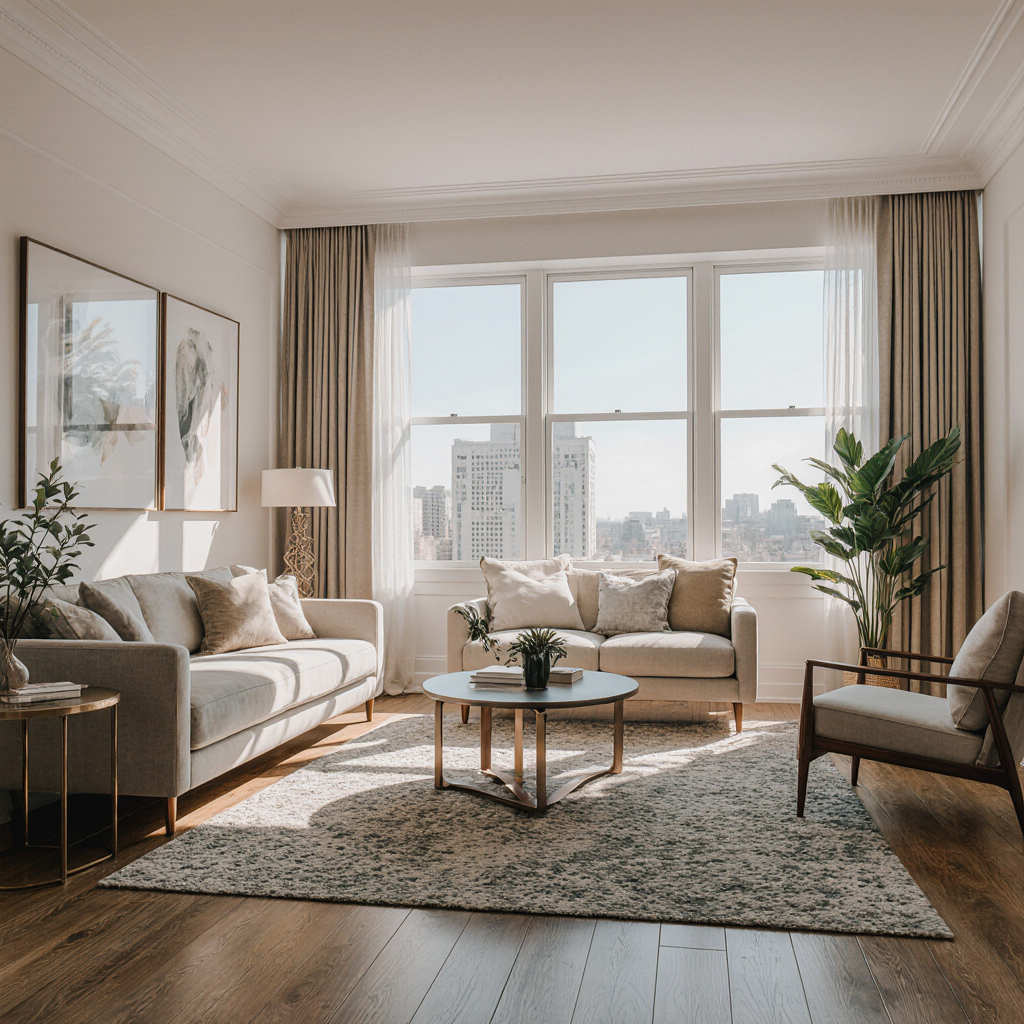
Luxury interior design is about creating spaces that feel elegant, comfortable, and uniquely yours. It’s not just about spending money but about making thoughtful choices that reflect your personality and lifestyle. By focusing on quality, balance, and detail, anyone can achieve a luxurious look, regardless of budget.
FAQs
1. What defines luxury interior design?
Luxury interior design is defined by high-quality materials, attention to detail, and personalized elements that create a sophisticated space.
2. Can I achieve luxury design on a small budget?
Yes, by investing in key pieces and mixing affordable decor with premium items.
3. What colors are best for luxury interiors?
Neutral tones combined with bold accents and metallic finishes work best.
4. Is minimalism part of luxury interior design?
Yes, contemporary luxury often incorporates minimalist principles with high-end materials.
5. How important is lighting in luxury interiors?
Lighting is crucial as it enhances ambiance and highlights design features.