
What are the Home Renovation Designers?
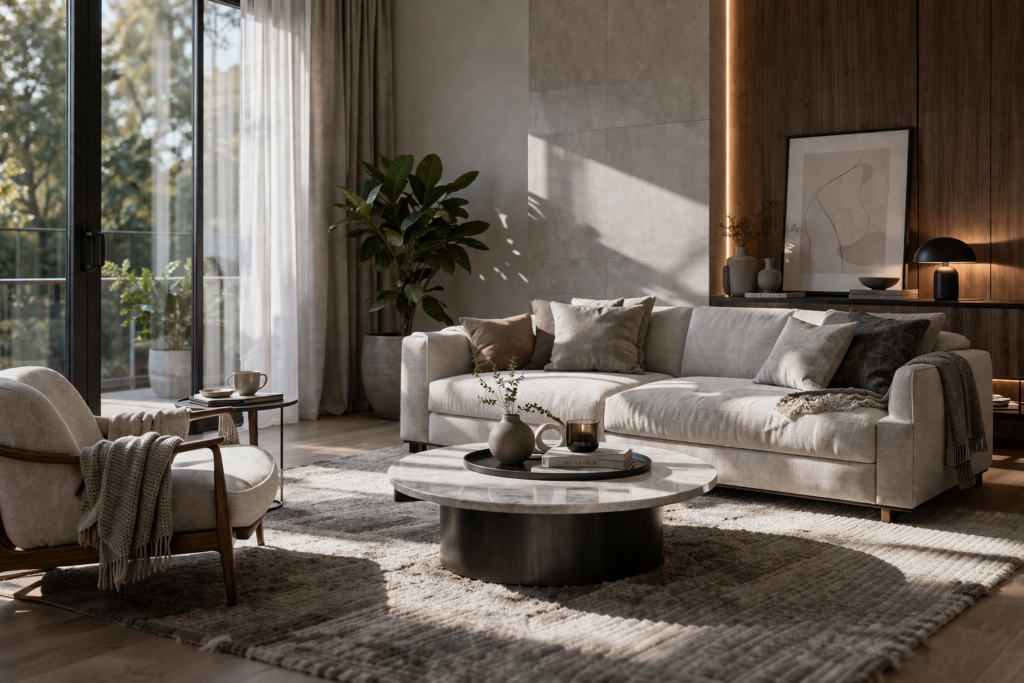
The home renovation designers is the creative brain behind transforming outdated or inefficient spaces into modern, functional, and aesthetically pleasing homes. Think of them as storytellers but instead of words, they use colors, textures, layouts, and lighting to narrate your lifestyle. Their job is not just to make your home look beautiful but to ensure that every corner serves a purpose and aligns with your daily needs.
In today’s fast-evolving housing landscape, homeowners are no longer satisfied with basic upgrades. They want homes that reflect personality, improve comfort, and increase property value. This is where renovation designers step in. They analyze your existing space, understand your lifestyle, and create a blueprint that blends functionality with creativity. Whether it’s opening up cramped spaces into airy layouts or adding smart technology, their role has expanded significantly in recent years.
The demand for professional designers is also rising rapidly. According to recent reports, the global home remodeling market is expected to reach $1.04 trillion in 2026 and grow to $1.29 trillion by 2030. This growth reflects how more homeowners are investing in upgrading their current homes rather than buying new ones. Renovation designers are at the heart of this shift, guiding homeowners through every stage from concept to completion.
Role and Responsibilities of Home Renovation Designers
A renovation designer wears multiple hats planner, artist, problem solver, and sometimes even a therapist when decisions get overwhelming. They begin by understanding your vision and then translating it into practical designs. This includes creating layouts, selecting materials, suggesting color palettes, and ensuring everything fits within your budget.
They also collaborate closely with contractors, electricians, and other professionals to ensure the design is executed perfectly. Their expertise helps avoid costly mistakes and ensures that the final outcome matches the initial vision. Essentially, they bridge the gap between imagination and reality.
Difference Between Designer and Contractor
Many people confuse designers with contractors, but their roles are quite different. A designer focuses on aesthetics and functionality, while a contractor handles construction and execution. Imagine building a house like making a movie the designer is the director, while the contractor is the production team.
Working with both ensures a smooth renovation process. The designer plans the look and feel, while the contractor brings it to life. When both collaborate effectively, the results can be truly remarkable.
Hiring Home Renovation Designers Matters?
Hiring a professional might seem like an extra expense at first, but in reality, it’s a smart investment. Renovation projects can quickly become overwhelming, especially when you’re juggling budgets, timelines, and endless design choices. A designer simplifies this process and ensures everything stays on track.
One of the biggest advantages is their ability to optimize space. You might look at a small room and see limitations, but a designer sees possibilities. They can turn awkward corners into storage solutions or transform dull spaces into vibrant living areas.
Professional Expertise
Designers contribute years of experience and industry expertise. They stay updated with the latest trends, materials, and technologies, ensuring your home doesn’t just look modern but also functions efficiently. For instance, many designers now incorporate energy-efficient solutions, which are included in nearly 89% of renovation projects.
Their expertise also helps in avoiding common pitfalls like poor lighting, inefficient layouts, or mismatched materials. These small mistakes can significantly impact the overall look and usability of your home.
Cost Efficiency in the Long Run
While hiring a designer involves upfront costs, it can actually save money in the long run. How? By preventing costly errors, optimizing material usage, and ensuring efficient project management.
Think about it redoing a poorly designed kitchen or fixing structural mistakes can cost far more than hiring a professional in the first place. Designers also have access to trusted suppliers and contractors, which can help you get better deals and quality materials.
Current Trends in Home Renovation Design (2026)
The world of home renovation is constantly evolving, and 2026 is all about personalization, sustainability, and smart living. Homeowners are no longer following generic designs they want spaces that reflect their identity and lifestyle.
Sustainable and Eco-Friendly Designs
Sustainability is no longer optional; it’s a necessity. Over 53% of homeowners now use eco-friendly materials in their renovations. Designers are incorporating recycled materials, energy-efficient appliances, and low-VOC paints to create environmentally friendly homes.
This shift is not just about saving the planet it also reduces utility bills and improves indoor air quality. It’s a win-win situation for homeowners.
Smart Home Integration
Technology is playing a huge role in modern renovations. From voice-controlled lighting to smart security systems, homes are becoming more intelligent than ever. Around 49% of homeowners now integrate smart devices into their renovations.
Designers ensure that these technologies blend seamlessly into the design without compromising aesthetics. The result? A home that’s both futuristic and functional.
Wellness-Focused Spaces
Homes are evolving into personal havens rather than just somewhere to dwell. Designers are creating wellness-focused spaces like meditation rooms, spa-like bathrooms, and indoor gardens.
This trend reflects a growing desire for mental and physical well-being. Imagine coming home after a long day and stepping into a space that instantly relaxes you that’s the power of thoughtful design.
Popular Home Renovation Projects
Certain renovation projects have remained consistently popular due to their high impact and return on investment. Let’s explore the most common ones.
Kitchen Remodeling
The kitchen is often considered the heart of the home, and upgrading it can significantly boost property value. Simple changes like new countertops, better lighting, and updated cabinets can make a huge difference. Experts suggest that even minor upgrades can increase home value by several percentage points.
Modern kitchens are also becoming more functional, with features like hidden storage, smart appliances, and multi-purpose layouts.
Bathroom Upgrades
Bathrooms are evolving into luxury spaces rather than just functional areas. Homeowners are investing in spa-like features such as rainfall showers, heated floors, and elegant fixtures.
These upgrades not only enhance comfort but also add significant value to the property.
Outdoor Living Spaces
Outdoor areas are becoming extensions of indoor living spaces. From cozy seating arrangements to fully equipped outdoor kitchens, these spaces are designed for relaxation and entertainment.
Designers are creating “zoned” layouts that cater to different activities, making outdoor spaces more versatile and enjoyable.
Budget Planning for Renovation Projects
Planning a renovation without a budget is like driving without a map you might eventually reach your destination, but it’ll cost you more time and money.
Cost Breakdown for Home Renovation Designers Projects
Here’s a quick summary of where your money usually ends up:
| Category | Percentage of Budget |
| Labor | 30-40% |
| Materials | 40-50% |
| Design Fees | 10-20% |
| Miscellaneous | 5-10% |
You can more efficiently allocate your budget if you are aware of these percentages.
Hidden Costs to Consider
Many homeowners overlook hidden costs like permits, unexpected repairs, and material price fluctuations. These can quickly inflate your budget if not planned properly.
Working with a designer helps identify these costs early, ensuring there are no unpleasant surprises later.
Choosing the Right Home Renovation Designers
Selecting the right designer can make or break your project. It’s not just about skills—it’s about finding someone who understands your vision.
Key Qualities to Look For
A good designer should have a strong portfolio, excellent communication skills, and a deep understanding of current trends. They should also be flexible and open to your ideas while providing professional guidance.
Questions to Ask Before Hiring
- What is your experience with similar projects?
- Can you work within my budget?
- What is your design process?
- How do you handle challenges?
Asking these questions helps you make an informed decision.
Benefits of Professional Renovation Over DIY
When it comes to upgrading your living space, choosing home renovation designers over a DIY approach can make a significant difference in both results and experience. While DIY projects may seem cost-effective initially, professional expertise ensures long-term value, functionality, and aesthetic appeal.
Time Efficiency
Renovation projects can quickly become time-consuming, especially without proper planning or experience. Professional home renovation designers streamline the entire process—from concept to completion. They coordinate with contractors, manage timelines, and ensure that every phase progresses smoothly. What might take a homeowner several months can often be completed in a fraction of the time with expert guidance.
Quality Assurance
One of the biggest advantages of hiring professionals is the guarantee of high-quality work. Experienced designers bring technical knowledge, access to premium materials, and skilled craftsmanship. They ensure that every detail—from structural changes to finishing touches—meets industry standards. This reduces the risk of errors, rework, and additional costs in the future.
Challenges in Home Renovation Projects
Even with careful planning, renovation projects come with their own set of challenges. Understanding these helps homeowners make informed decisions and highlights the value of working with home renovation designers.
Budget Overruns
Unexpected expenses are common in renovation projects, especially in DIY scenarios. Without proper budgeting and cost estimation, homeowners often overspend. Professional designers help create a realistic budget, source materials efficiently, and avoid unnecessary expenses. Their expertise ensures that your investment is well-managed and aligned with your goals.
Design Misalignment
Many homeowners struggle to translate their ideas into practical designs. This often leads to mismatched styles, poor space utilization, or functionality issues. Home renovation designers bridge this gap by combining creativity with practicality. They ensure that the final design reflects your vision while maintaining balance, comfort, and usability.
Future of Home Renovation Design
The world of interior design is evolving rapidly, and home renovation designers are at the forefront of innovation. Modern homes are no longer just about aesthetics they are about smart, personalized, and sustainable living.
Technology in Design
Technology is transforming how renovation projects are planned and executed. Tools like 3D visualization, virtual reality walkthroughs, and smart home integrations allow homeowners to see their space before it’s built. Designers use these technologies to enhance accuracy, reduce errors, and deliver a more interactive experience.
Personalized Living Spaces
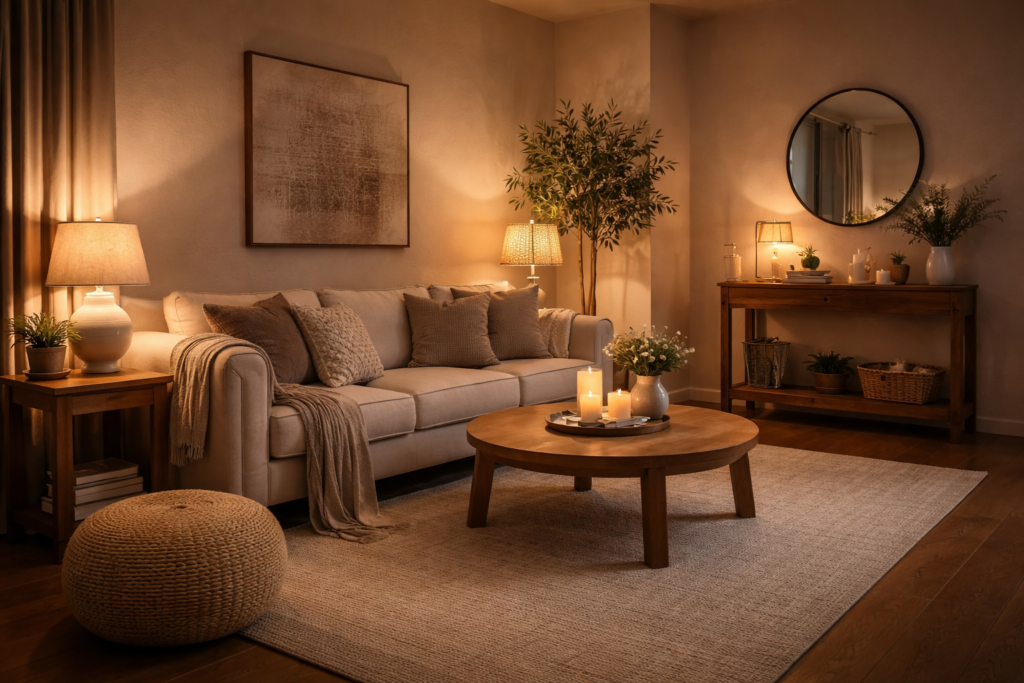
Today’s homeowners seek spaces that reflect their personality and lifestyle. From customized furniture to tailored layouts, personalization is key. Home renovation designers focus on creating unique environments that align with individual preferences, ensuring comfort and satisfaction for years to come.
Conclusion
Home renovation designers are more than just professionals they are partners in transforming your vision into reality. With the rising demand for personalized, functional, and sustainable living spaces, their role has become more important than ever.
Whether you’re planning a small upgrade or a complete makeover, working with a designer ensures that your home not only looks stunning but also enhances your lifestyle. In a world where homes are evolving into multi-functional spaces, investing in the right design can truly make all the difference.
Looking to upgrade your home? Hire expert home renovation designers today and turn your vision into reality on time and within budget.
FAQs
1. How much do home renovation designers charge?
Costs vary depending on the project size and designer experience, but typically range from 10% to 20% of the total renovation budget.
2. Is hiring a designer necessary for small renovations?
Not always, but even small projects can benefit from professional guidance to avoid costly mistakes.
3. How long does a renovation project take?
It depends on the scope, but most projects take anywhere from a few weeks to several months.
4. Can designers work within a tight budget?
Yes, experienced designers can create effective solutions even with limited budgets.
5. What is the biggest trend in home renovation right now?
Personalized, wellness-focused, and sustainable designs are dominating the industry in 2026.