
Understanding Low Budget Interior Design
What Does Low Budget Interior Design Mean?
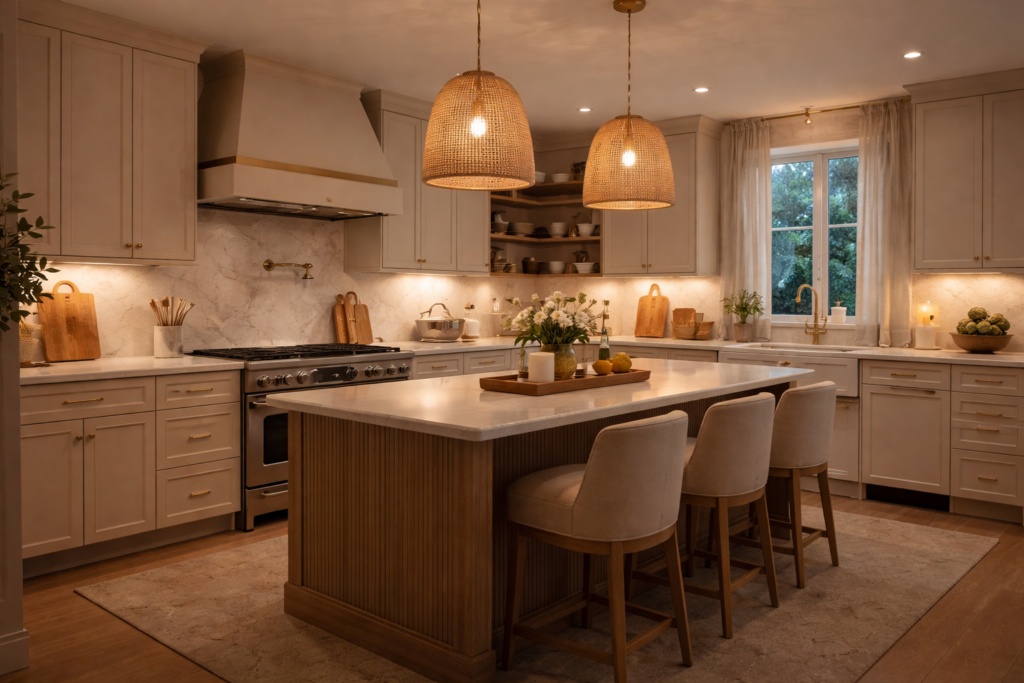
When consumers hear the term “low budget interior design,” they frequently assume it implies sacrificing elegance or settling for a boring, unfinished room. However, that couldn’t be more untrue. The key to budget-friendly interior design is being astute, resourceful, and deliberate in your decisions. It’s similar to preparing a tasty dinner with few ingredients; all you need is imagination and the appropriate strategy. You concentrate on making the most of what you already have, recycling old pieces, and locating reasonably priced substitutes that nonetheless appear high-end rather than heavily investing in pricey décor.
Do you really need a ₹50,000 sofa to make your living room look classy? Or may a well-selected ₹10,000 sofa work just as well with chic pillows and lighting? This change in perspective is what makes affordable interior design so beautiful. It matters more how well you design than how much you spend. You may express your individuality in every area of your house without breaking the bank. This is where low budget interior design helps you balance creativity and cost.
Why Budget-Friendly Design is Trending Today
Take a time to consider how much you can easily spend before you start decorating. Every effective interior makeover starts with a well-defined budget. Without it, you can begin modestly and end up overpaying on pointless things.
Sustainability is another factor. Instead of continuously purchasing new furniture, people are preferring to reuse, recycle, and upcycle it as they become more conscious of waste. This helps the environment in addition to saving money. Budget-friendly interior design is, in a sense, more than just a fad; it’s a way of life that encourages uniqueness, creativity, and responsibility. This is why many homeowners now prefer low budget interior design for practical and stylish homes.
Planning Before You Start
Setting a Realistic Budget
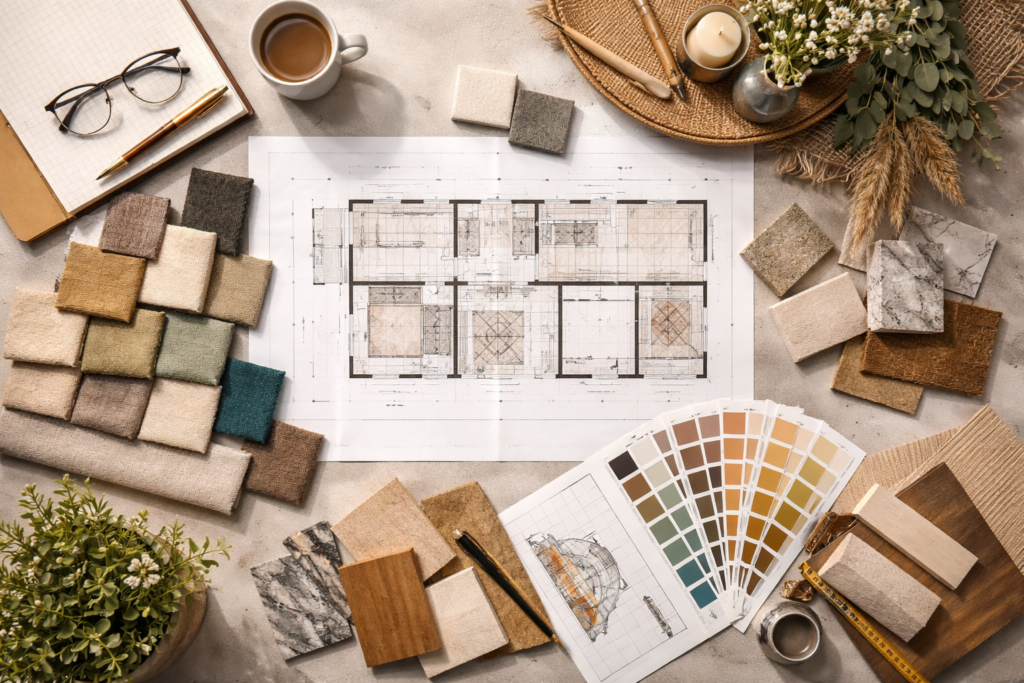
A well-structured low budget interior design approach begins with proper planning. Before you begin decorating, take some time to decide how much you can comfortably spend. A successful budget interior design always starts with a clear and realistic budget. Without proper planning, you might begin with small purchases but gradually overspend on items that don’t truly add value. Setting a spending limit helps you stay focused, prioritize essentials, and avoid unnecessary expenses that can quickly increase your total cost.
To make your budget interior design plan more effective, divide your budget into categories such as furniture, décor, lighting, and basic essentials. This simple step allows you to allocate money wisely and ensures that no area of your home is neglected. For instance, if your total budget is ₹20,000, you could allocate ₹8,000 for functional furniture like a compact sofa, table, or storage unit, ₹5,000 for décor items such as cushions, curtains, wall art, or indoor plants, and use the remaining ₹7,000 for lighting, organizers, and accessories.
This structured approach keeps your spending under control while helping you create a balanced and stylish space. With a budget-friendly interior approach, you can also look for multipurpose furniture, reuse existing pieces, and explore DIY décor ideas to stretch your budget further. By planning ahead and distributing your funds thoughtfully, you can transform your home into a comfortable and attractive space without overspending.
Prioritizing Your Space Needs
Not every room needs a makeover at the same time. Start with the areas you use the most usually the living room or bedroom. Ask yourself: what bothers you the most about this space? Is it clutter? Poor lighting? Lack of storage?
Once you identify the key issues, focus on solving them first. This way, even with a limited budget, you create maximum impact. It’s like fixing the foundation before painting the walls you address the essentials first, then move to aesthetics. This step ensures your low budget interior design creates maximum impact.
Smart Furniture Choices
Multi-Functional Furniture Ideas
Multi-purpose pieces are essential in low budget interior design. If you’re working with a small budget, every piece of furniture should serve more than one purpose. Think of a sofa-cum-bed, a storage ottoman, or a foldable dining table. These pieces not only save money but also reduce the need for additional furniture.
For instance, a bed with built-in storage can eliminate the need for a separate wardrobe or storage unit. Similarly, a coffee table with drawers can double as a storage solution. These small decisions can make a huge difference in both space and cost.
DIY Furniture Hacks
DIY improvements are a key part of low budget interior design. When you can improve your current furniture, why buy new? Old wooden chairs can be repainted, tables can be polished, and even worn-out sofas can be refreshed with new covers. DIY furniture projects are not only budget-friendly but also incredibly satisfying.
You don’t need to be an expert simple changes like adding stickers, changing knobs, or repainting surfaces can give your furniture a completely new look. It’s like giving your old belongings a second life.
Affordable Wall Decor Ideas
Paint Techniques on a Budget
Wall décor plays a major role in low budget interior design. For relatively little money, a space may be completely transformed with a new coat of paint.
But instead of sticking to plain colors, try creative techniques like accent walls, geometric patterns, or textured finishes. These styles add depth and character to your space without requiring expensive materials.
Even using two contrasting colors can create a dramatic effect. Imagine a white wall with a striking blue stripe; it draws attention right away and has a polished appearance.
Wall Art Using Everyday Items
Who says decorating your walls has to be expensive? With low budget interior design, you can create eye-catching wall décor using items you already have at home. Instead of buying costly artwork, try framing old photographs, postcards, or memorable prints. You can also hang beautiful fabric pieces, scarves, or even textured paper to add color and personality. Creating a gallery wall with printed quotes, minimal illustrations, or DIY art is another affordable way to make your space feel stylish and unique. These simple ideas help you refresh your walls without spending much money.
Another smart budget-friendly interior trick is using mirrors as décor. Mirrors not only enhance the visual appeal of your room but also make the space look larger and brighter by reflecting natural light. You can place a mirror opposite a window to maximize brightness or arrange smaller mirrors in a creative pattern for a decorative touch. Even repurposing old mirror frames with paint or simple DIY designs can instantly upgrade your interior.
By combining DIY wall art, reused materials, and strategically placed mirrors, you can achieve a beautiful and well-designed space without stretching your budget. These affordable ideas prove that low budget interior design is all about creativity, smart choices, and making the most of what you already have.
Lighting That Elevates Your Space
Budget Lighting Options
Proper lighting enhances any budget-friendly interior design. Lighting can make or break a room. The good news? You don’t need expensive fixtures to achieve a cozy and stylish look. Affordable options like LED strip lights, fairy lights, and table lamps can completely change the mood of your space.
Warm lighting creates a relaxing atmosphere, while bright white lighting is perfect for work areas. Mixing different types of lighting gives your home a layered and professional feel.
Using Natural Light Creatively
Using daylight effectively supports low budget interior design by reducing energy costs. Natural light is free and incredibly powerful. Make the most of it by using light curtains, placing mirrors strategically, and keeping windows uncluttered. A well-lit room not only looks bigger but also feels more inviting.
Creative Storage Solutions
Decluttering for Free Space
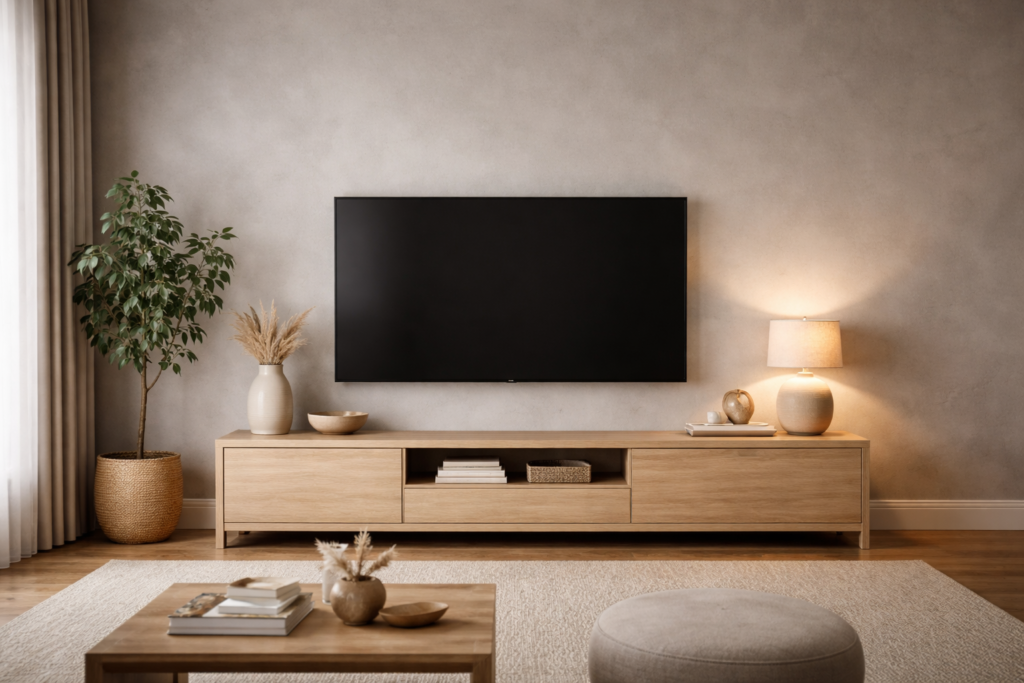
Smart storage is crucial in low budget interior design. Sometimes, the best way to improve your home is to remove things rather than add more. Decluttering creates space, improves organization, and instantly makes your home look better all without spending a single rupee.
Sorting things into categories keep, donate, and discard is the first step. You’ll be shocked by how much things you’ve been clinging onto that isn’t necessary.
DIY Storage Hacks
Use baskets, boxes, and wall shelves to create additional storage. Even old crates can be turned into stylish storage units. These smart solutions perfectly support budget-friendly interior design while keeping your home organized.
Budget-Friendly Flooring Ideas
Affordable Flooring Materials
Flooring choices can define your low budget interior design. Changing flooring can be expensive, but there are budget-friendly alternatives like vinyl sheets, peel-and-stick tiles, and laminate flooring. These options are easy to install and significantly cheaper than traditional materials.
Rugs and Carpets as Alternatives
If replacing flooring isn’t an option, use rugs and carpets to cover worn-out areas. They add warmth, texture, and color to your room while hiding imperfections.
Adding Personality with Accessories
Indoor Plants and Green Decor
One of the least expensive ways to improve your home is with plants. They infuse every room with vitality, color, and freshness. Indoor plants are a simple way to enhance low budget interior design.
Textiles and Soft Furnishings
Cushions, curtains, and throws are like the finishing touches of your home. They add comfort and style without costing much. Changing these elements can instantly refresh your space.
Kitchen and Bathroom on a Budget
Low-Cost Kitchen Makeover Tips
You don’t need a full renovation to upgrade your kitchen. Simple changes like repainting cabinets, changing handles, and adding shelves can make a big impact. These upgrades work perfectly within low budget interior design.
Affordable Bathroom Updates
In the bathroom, small upgrades like new shower curtains, mirrors, and organizers can create a fresh and clean look. Focus on functionality and cleanliness it goes a long way.
Mistakes to Avoid in Low Budget Interior Design
Overspending on Trends
Avoiding common errors is essential for successful budget-friendly interior design. Trends come and go, but your budget is limited. Avoid spending too much on trendy items that may go out of style quickly. Instead, focus on timeless designs.
Ignoring Functionality
If a home is not functional, it is worthless. Always put usability and comfort ahead of aesthetics. You should be able to work from your house, not the other way around. With thoughtful planning, budget-friendly interior design becomes achievable for everyone. This practical approach makes low budget interior design suitable for modern homes.
Conclusion
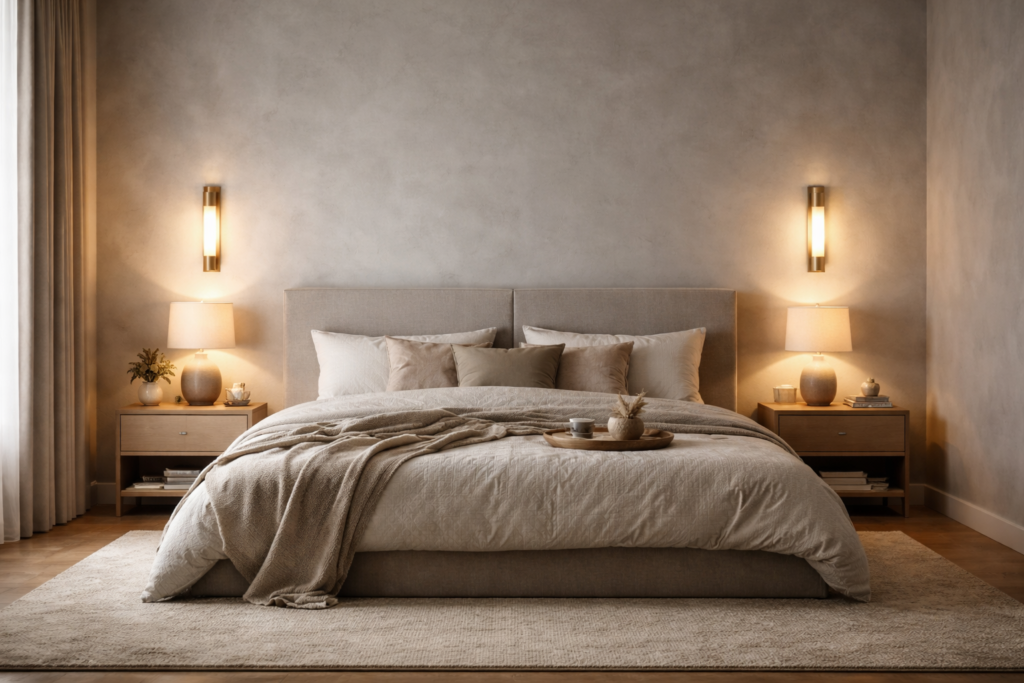
Budget-friendly interior design is proof that creativity beats money every time. With the right mindset, even a small budget can create a beautiful, functional, and inviting home. This is the true power of low budget interior design in modern homes. It’s all about making smart choices, reusing what you have, and adding personal touches that reflect your style. Instead of chasing expensive trends, focus on what truly matters comfort, practicality, and a space that feels like home. When you approach design with creativity and intention, your home becomes more than just a place to live it becomes a reflection of you.
FAQs
- How can I decorate my home with no money?
You can rearrange furniture, declutter, use DIY décor, and repurpose existing items to refresh your space without spending anything.
- What is the cheapest way to decorate walls?
Painting, using printed posters, or creating DIY wall art are some of the most affordable options.
- How do I make my small room look bigger on a budget?
Use mirrors, light colors, and minimal furniture to create the illusion of more space.
- Are DIY projects really cost-effective?
Yes, DIY projects save money and allow you to customize your home according to your taste.
- What are the best budget-friendly home accessories?
Plants, cushions, rugs, and lighting are affordable items that can significantly enhance your home’s look.